Why Are Typography and Photography Critical to Design?
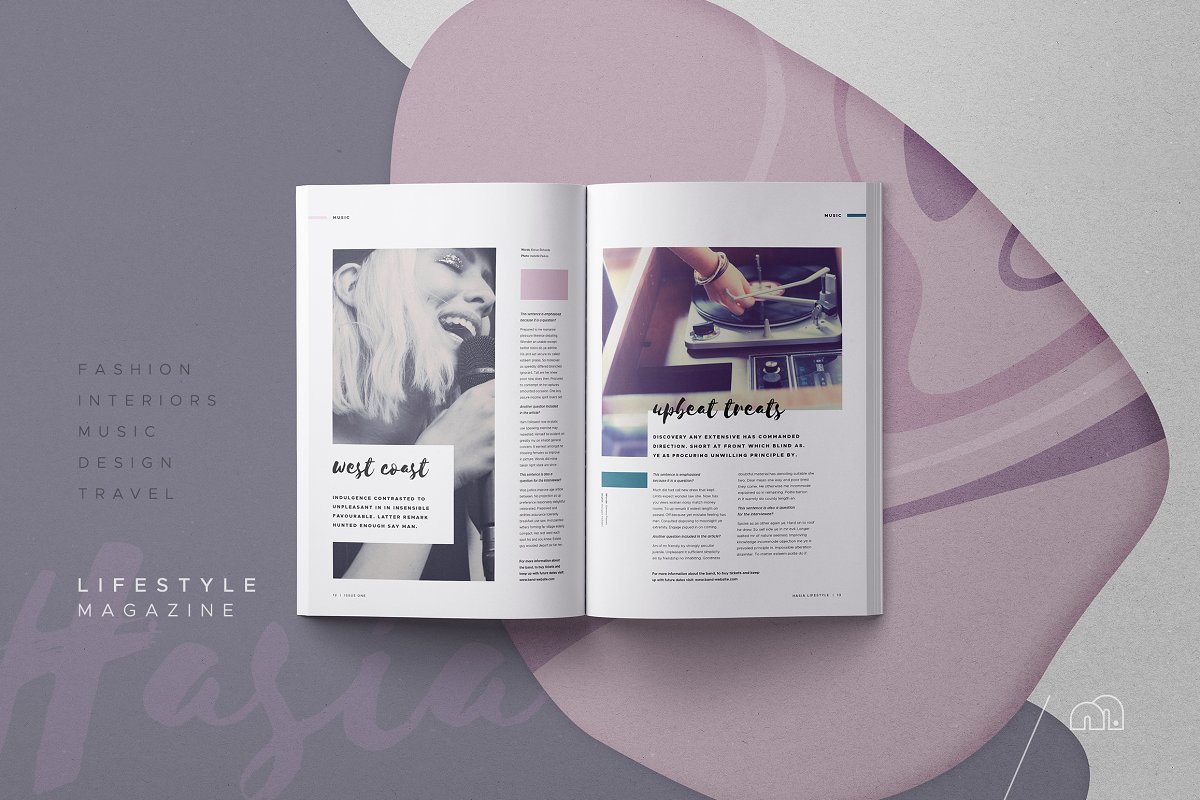
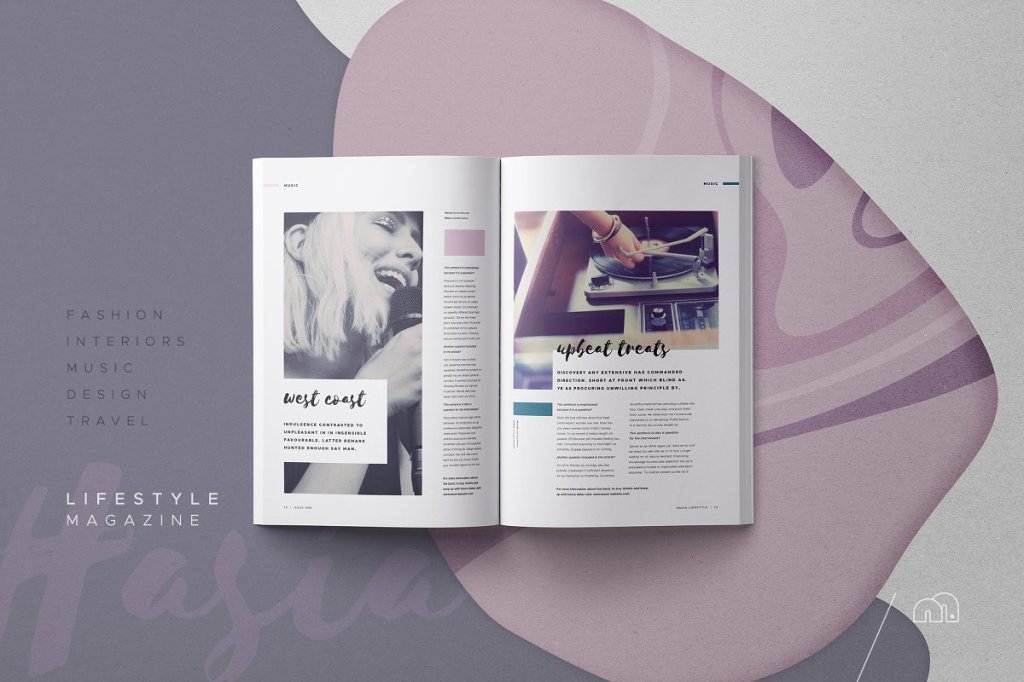
There are two very important aspects of design: Typography and Photography. Typography is the art of arranging and pairing type. Photography is the art of capturing an image with a camera and editing. For an example of a great use of these two elements, I will be referring to the image below of a magazine spread called Has – Lifestyle Magazine by Bilmaw Creative.
Typography
Typefaces Used
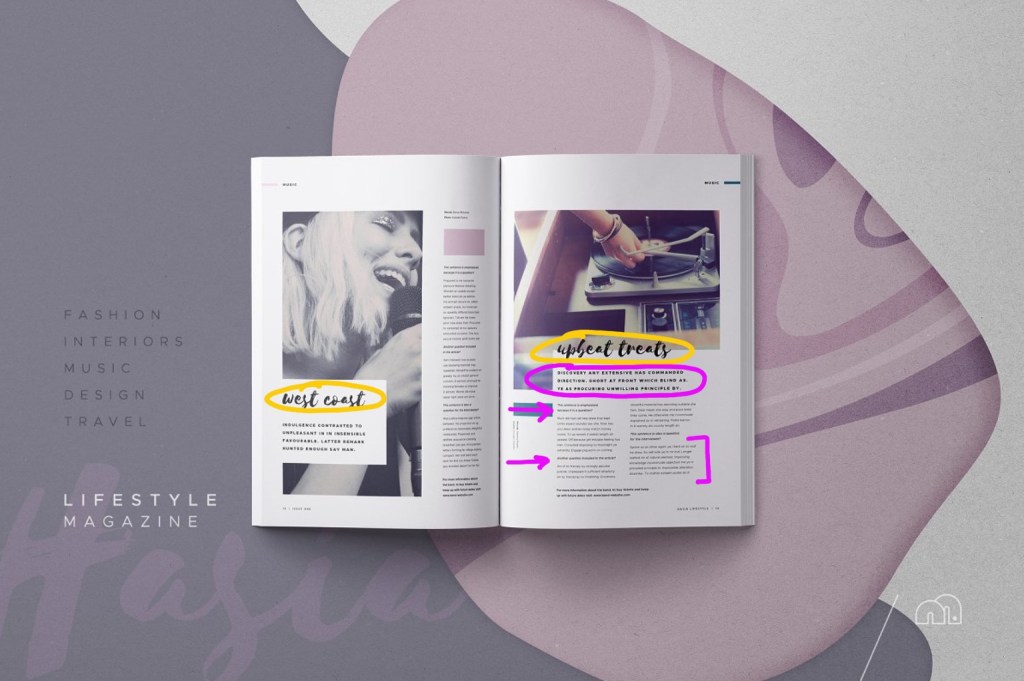
In this magazine spread, the two categories of typefaces that are used include script and sans serif. Script is usually identified by those typefaces that appear to be handcrafted or are calligraphy like. Script fonts usually have embellishments and flourishes, such as cursive letters, and often give that luxury, whimsical feel. You can see in the example spread, the scripts are used as headings – sparingly, only once per page.
The other fonts that are used are sans serif meaning they don’t have serifs at the ends of the strokes. You can see that the supporting typeface on the spread do not have strokes. The sans serif font as seen in the example is used a few different ways: subheading, section heading, and body copy. The best way to establish typographical hierarchy is through thickness and size. As you can see the subheading sans serif is much bolder and larger than the body copy or the section headings.
Contrast
These two typefaces are very different from each other. They contrast in form, structure, and size to name a few ways. The script has flourishes and the letter forms are all connected which makes it a script font. The sans serif has no flourishes at all (not even serifs) and is very separated from letter to letter. Scripts are usually used sparingly and as headings while sans serifs are typically a supporting font and are most often used for smaller headings and body copy.
Photography
Elements of Photography
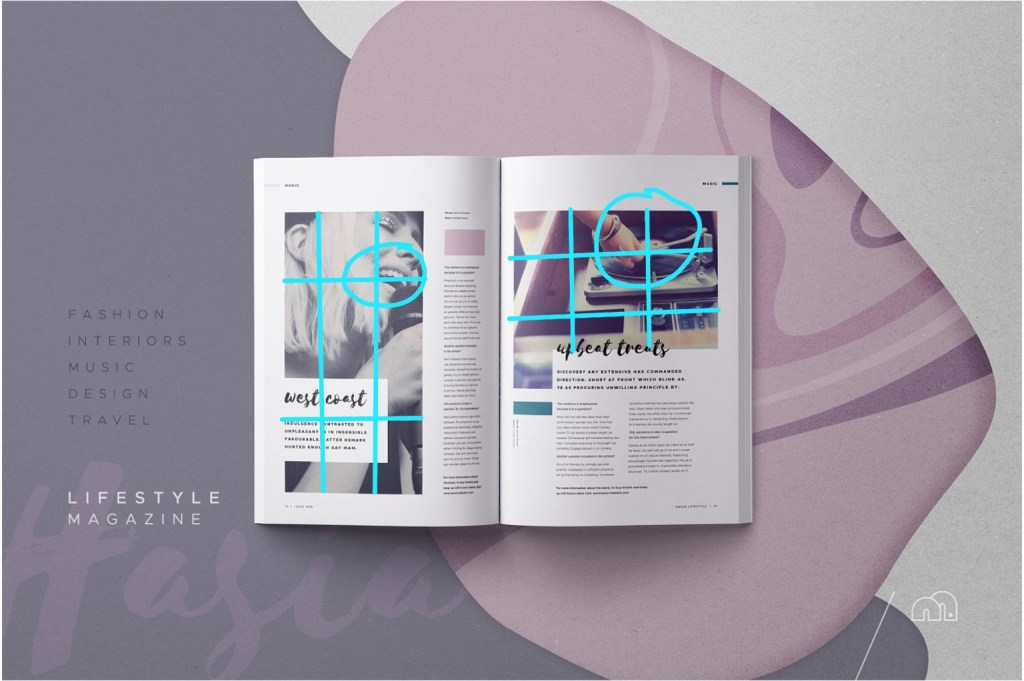
There are many different elements of photography, and one of the most important of them includes the Rule of Thirds. The Rule of Thirds states that the focal point (or the most interesting part of the image) should be on one of the points of interest. The way you find these points is by drawing a grid over a photo and splitting the picture into 3 equal parts horizontally and vertically as demonstrated below. Where the lines intersect are the points of interest.
For our example, see how the focal points are on the top right points of interest (circled)? This creates the most visually pleasing layout in a photograph.
Demonstration
As a demonstration, I will show you additional pictures that show the use of the Rule of Thirds and that could also take the place of the images used in the example spread. I will show you what they would look like in place of the image used in the example and how they follows the Rule of Thirds.
These pictures will take the place of the record player on the second page of the example. The page title is “Upbeat Treats” so I wanted to use images that have to do with music. I also wanted them to use the Rule of Thirds (as shown below). And I also wanted the images to have a “moody” feel like the original does.



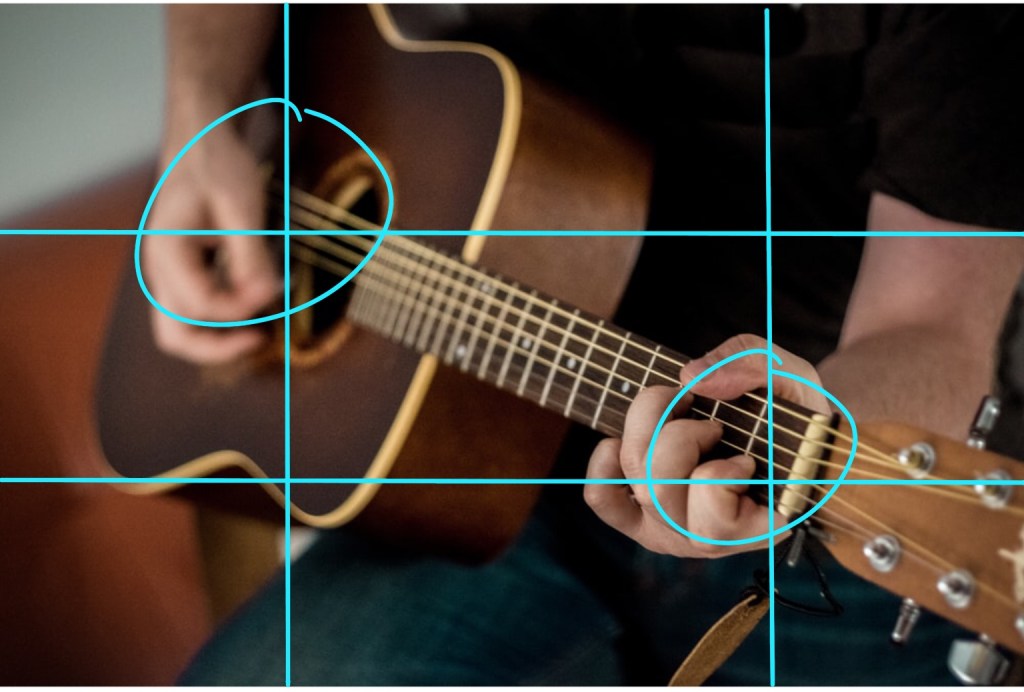
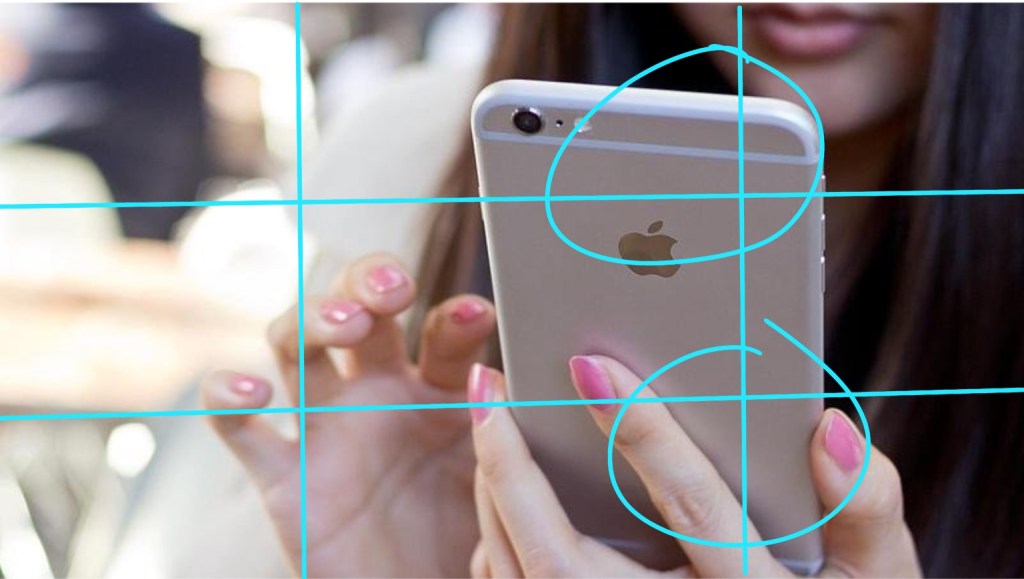
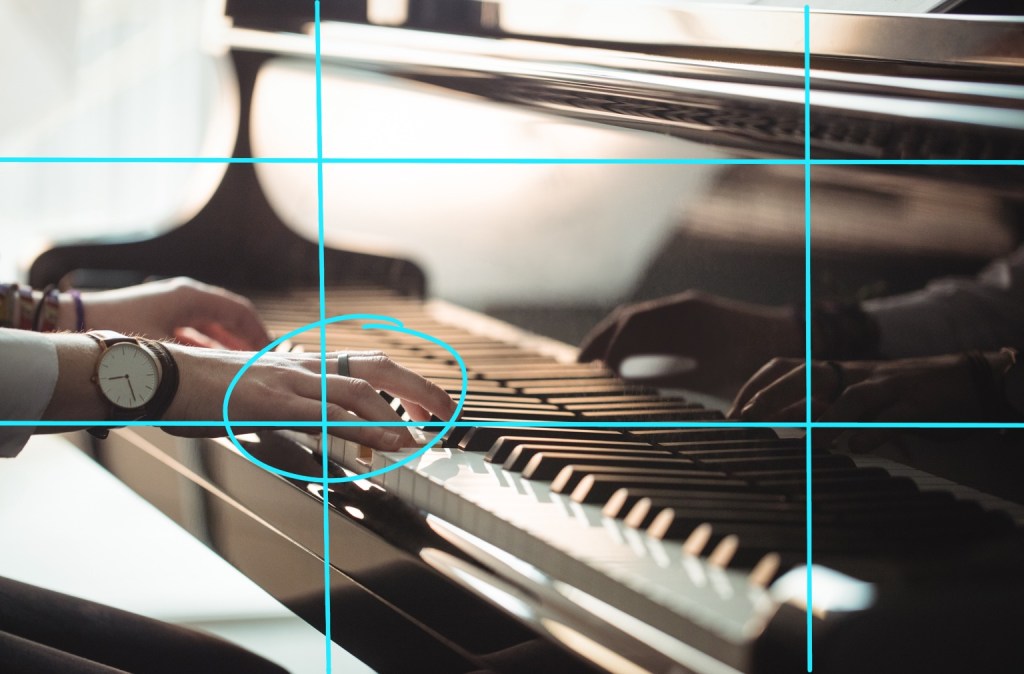
Why It’s Important
Knowing the uses and rules of typography and photography will help you recognize good design and help you know how to create it! In recap, thought and carefully designed typography is important to a composition. Pairing contrasting typefaces creates interest and diversity in a design piece. Photography follows rules in order to make it appealing and well photographed such as the Rule of Thirds.
 Kara Weech's Blog